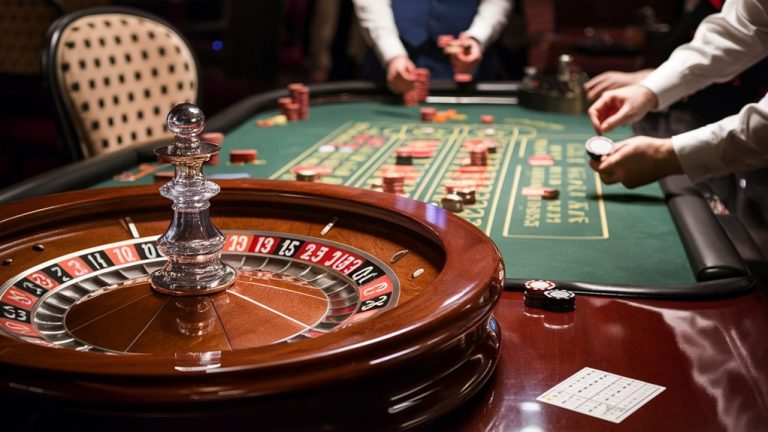
Is Roulette a Game of Luck or Skill?

The Math of Roulette
Roulette is a game of pure chance set by clear math 온카스터디 인증리스트 추천 odds. The house edge is always 2.7% for European roulette and 5.26% for American roulette. It’s not possible to use skill to win more in the long run.
Knowing Chance and Random Acts
Each roulette turn is an independent event, meaning past spins do not change future spins. The game’s main chance rules can’t be changed by:
- Tracking patterns
- Adding bets as you lose
- Years of playing
- Looking at past spins
When Strategy Plays a Part in Roulette
While players can manage their money well and stay cool under pressure, these tactics don’t change the random results of where the ball lands. The belief that skill can beat the odds has made many players try complex bet plans, but none can really beat the constant house edge.
Facts and Sure Numbers
Recent stats prove that roulette results are based fully on chance. The design of the game makes sure of that by:
- Each number has an even chance
- Past spins don’t change new results
- Betting styles can’t change base chances
- House edge does not shift, no matter the plan
This scientific view lets players see roulette as fun, not a way to make money through skill.
The Full Math Analysis of Roulette
Basic Roulette Chances
European roulette is based on firm math, using a wheel with 37 pockets (numbers 0-36).
Each number has a chance of 1/37, about 2.7% each spin. These base math facts set up all bets and what you can expect to get back.
House Edge and the Stats On Top
The home edge is shown through solid math.
European roulette keeps a 2.7% house edge, while American roulette, with an extra 00 slot, has a higher 5.26% edge.
This means you’re likely to lose $2.70 for every $100 on European wheels, and $5.26 on American ones over time.
Group Bets and Lone Events
Outside bets stick to strict chance rules, even if they seem simple.
Red/black bets, cover 18 numbers, and have a 48.6% chance in European games, not 50/50 because of the green zero.
The unchanging rules of these chances make each spin a lone event. This real math stops the gambler’s wrong belief that past outcomes change future ones.
Common Betting Plans
Well-Known Betting Plans in Casino Games
Famous Roulette Betting Ways
The constant math chances in roulette remain, yet players keep making different betting plans to try for a plus.
The Martingale System
The Martingale is the most famous plan in casino games. This way works simply: double your bet after each loss. Like this:
- First bet: $10
- After first loss: $20
- After second loss: $40
- After third loss: $80
While made to get back losses and make some win, the Martingale faces big limits due to table max bets and the cash you need.
The D’Alembert System
This more mild method adds one unit after losses and takes off one unit after wins, keeping risks lower than big growing systems.
The Fibonacci System
Based on the known math pattern, this plan says to make each bet the total of the last two after a loss:
- 1, 1, 2, 3, 5, 8, 13, 21, etc.
- Growing bets
- Less hard than Martingale
The Labouchere System
This deep plan involves:
- Making a number list
- Betting the total of the first and last numbers
- Cross off numbers after wins
- Add numbers after losses
House Edge Facts
Even with deep math plans, these betting ways can’t beat the built-in house edge:
- European Roulette: 2.7% house edge
- American Roulette: 5.26% house edge
- Betting plans give structure but don’t change core odds
Mind Play in Strategy
Mind Games in Strategic Roulette Play: Top Mental Game

Knowing Mind Parts in Roulette Ways
The mind parts of choice-making play a key role in roulette outcomes.
Top players show strong cool control and stay calm in good and bad times.
This deep mind control stops quick choices that often lead to big losses.
Main Mind Parts in Play
Three key mind things shape good roulette ways:
- Risk Tolerance: Sets best betting ways and times
- Loss Worry: Changes reactions to hard times and how long you play
- Mind Leanings: Changes how you see chances and decision making
Using Mind Control in Play
Setting clear cash limits and time ends before playing is key for good discipline.
Tracking performance and writing outcomes helps players see patterns in how they carry out strategies and react.
This planned way helps spot mind pulls that could break playing honesty, leading to making strong ways to keep smart choices during play.
Building a Top Mind Game
Good roulette players build mind strength through:
- Keeping cool in hard spots
- Waiting out bad times with a plan
- Keeping good money management no matter the game results
- Seeing patterns without falling for mind leans
This full mental plan helps keep good play and steady performance over long game times.
House Edge Study
Knowing House Edge Math
Roulette House Edge Study
The house edge shows the math plus built into every game, seen clear in roulette.
European roulette keeps a 2.7% house edge with its one zero, while American roulette’s extra double zero ups this to a 5.26% edge.
These percents turn into real player losses – $2.70 and $5.26 respectively for each $100 played over time.
Bet Types and Edge Steadiness
The steady house plus stays the same across all bet kinds:
- Straight bets (35:1 payout)
- Even-money bets (red/black, odd/even)
- Column and dozen bets (2:1 payout)
This lasting edge comes from the zero slots, making a big gap between real odds and pay rates.
No bet plan or way can beat this deep-set math downside.
Stats vs. Short Wins
Long Math Hopes
Session changes might hide the house edge, making it look like winning ways or good systems work.
But stat leaning always happens as more spins are played.
Long play shows the math sureness of the house’s edge, changing player cash according to set edge percents.
Looking at How You Do
The house edge comes out through:
- Odd gaps between payouts and real chances
- Zero slot effects on how outcomes spread out
- Long stats moving toward expected loss rates
This deep math setup keeps casinos winning while making the game rules clear.
Pros vs. New Players
Pros vs. New Casino Players: A Full Look
Knowing the Skills Gap in Casino Games
Pro casino players and new ones show clear differences when they play games like roulette.
The main differences show in their money control, staying calm, and using betting plans.
Math Edge and How You Do
No matter the skill level, the house math edge stays the same for all players.
Even the best betting plans like the Martingale system and Fibonacci growth can’t beat the deep-set math downside built into casino games.
Pro Player Traits
Top Risk Plans
Pro gamblers stand out through:
- Keeping to loss limits
- Deep session notes
- Planned bet styles
- Deep knowing of chance theory
Seeing Stats as They Are
Pro players know that each game act works alone, staying clear of common wrong ideas about “due” outcomes or seeing patterns in random events.
New Player Acts
Usual Wrong Beliefs
New players often show:
- Trust in lucky runs
- Betting based on patterns
- Choices led by feelings
- Uneven money control The Role of Bonuses and Promotions in Online Gambling
Win Marks and True Plus Points
The real plus of pro gambling is not in beating the chances but in better:
- Money tricks
- Cool under pressure
- Planned play
- Keeping losses low
These parts make it seem like greater success while keeping the same stat outcome over time.