The Simple Gear Turn of Slot Machines
The Start of Mechanical Slots
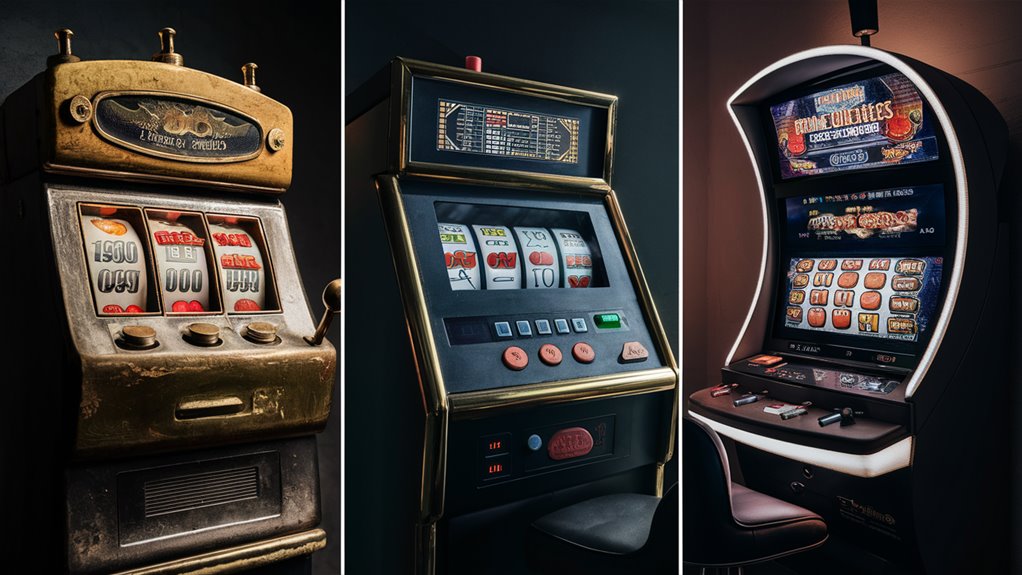
Charles Fey’s Liberty Bell in 1895 began the slot machine age by bringing in the first mechanical gambling tool with quick pay-offs. These early units had real reels showing a few icons, worked by a mix of springs, gears, and levers. 이 자료 참고하기
The Mix of Electrics
Bally Manufacturing changed the game in 1963 by putting out Money Honey, the first electromechanical slot unit. This big move brought in electric parts but kept mechanical reels, making way for more complex play and bigger wins.
Going Digital
The 1990s saw computers join the scene with microprocessor use. This shift brought virtual reels and way more icon mixes, making new payout styles and game designs. Digital random number makers (RNGs) kept things fair while setting up big jackpots.
Slots Go Online
1996 was key with the launch of the first online slot games. This move made new paths for game makers with better images, new bonus types, and play from afar. Secure pay ways and clear rules made online slots a true part of gaming.
Games on the Go
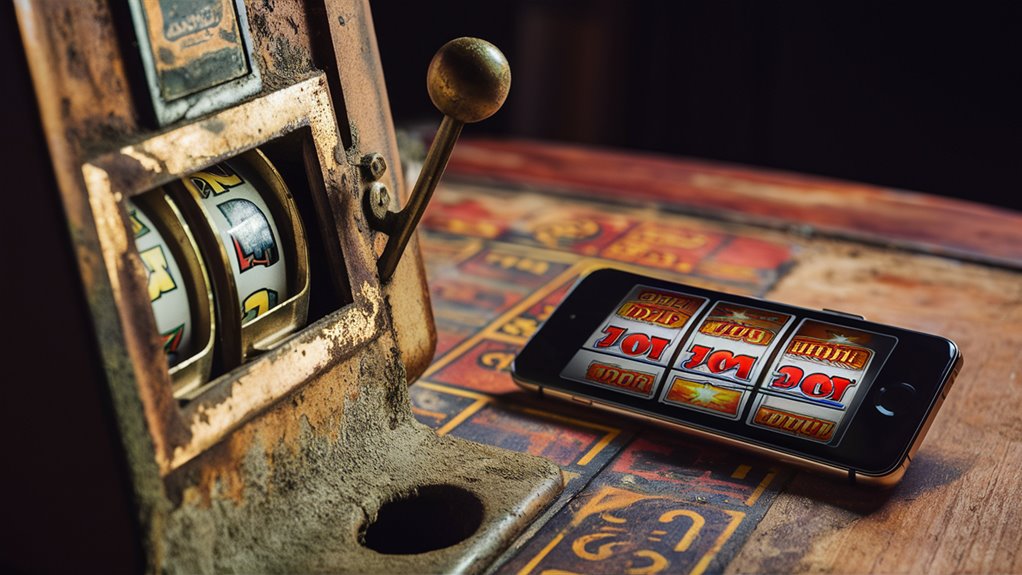
The 2007 iPhone start sparked the mobile game boom. Slot makers made their games work on touch screens, giving great play on phones and tablets. Making games mobile-first became common, focusing on how users felt and could get to the games.
Today’s Cool Tools
Modern slots show off top tech like 3D imaging, touch feedback, and blockchain checks. Virtual worlds give a deep dive, while game skill parts draw younger crowds. Smart data use and AI make play feel more personal, all while keeping in line with tight rules.
The Early Days of Slot Machines
Automatic Slot Birth
Charles Fey changed game tech in 1895 with his Liberty Bell slot machine, starting the first automatic payout system.
This key device had three spin wheels with five clear icons: hearts, diamonds, spades, horseshoes, and the liberty bell. Its design set the path for future gambling gear.
First Steps in Mechanics
Slot evolution began with Sittman and Pitt’s 1891 poker machine, using five drums that showed playing cards. These first units set basic mechanical rules with spring-loaded systems, complex gear workings, and lever moves. The insides used carefully made notched discs and kicker paddles to fix icon spots and payouts.
New Ideas, Old Limits
Herbert Mills’ big 1907 Operator Bell device showed big tech steps and market shifts. Adding fruit icons and the known BAR symbol showed both tech polish and smart answers to gambling bans. Mills’ idea to give fruit gum as prizes got around cash pay limits but kept player fun. These mechanical setups led slots until electromechanical tech came in the 1960s.
Electromechanical Slot Rise
The gambling world changed in 1963 when Bally Manufacturing showed Money Honey, marking the first electromechanical slot unit. This huge launch swapped old springs and levers for electric bits, while keeping the classic handle for ease and old-style feel.
Slot Tech Goes Digital
By the mid-1970s, the Fortune Coin stood out as the first all-electronic slot unit, using a changed Sony TV for display. This big tech move started the rise of video poker in 1976, changing how players and machines interacted in casinos.
Modern Game Build
The 1980s brought in microprocessor tech, using random number creators (RNGs) that changed game ends. This step allowed:
- Bigger jackpots
- More pay lines
- Better bonus parts
The use of bill validators in 1984 brought payment systems up to date, while digital credit meters took over physical coin pay.
Digitals Start
Digital Slot Revolution
1990s Digital Change
In the early 1990s, digital slot units changed the gaming world, bringing in advanced microprocessor tech and better memory use. From old mechanics to high-end computers, these units had random number makers (RNGs) that set ends using complex math. This tech jump let casinos give bigger prizes and more clever game moves.
New Game Bits
Moving to digital tech brought new slot parts: many pay lines, bonus stages, and theme games with moving images. By 1994, brands put in virtual reels, breaking from old limits and allowing many possible icon mixes. The digital style changed jackpot setups through linked progressive slots, joining machines over many spots.
Smart Tracking and Data
The digital move changed casino running with exact data tracking and machine watching. Modern slot setups track player moves, pay times, and machine work in real time. This smart step let casinos start detailed player reward plans and focused market moves, making a more personal play feeling with deep data handling.
Random’s Rise
Random Number Makers in Slots
New Start in Game Tech
Random Number Generators (RNGs) switched up slot tech in 1984, changing the gambling scene. Where old parts set slot ends, these new microprocessor setups could make many number rows each second, giving true random play for the first time.
RNG Growth and Use
The growth of RNG tech from 1984 to 1990 moved from simple number making to smart math systems. Today’s RNGs make billions of mixes, way upping game honesty and the surprise element. Top names like IGT and Bally were first to mix RNG tech with virtual reels, letting jackpots and pay setups never seen before.
Big Game Impacts
RNG moves helped start progressive jackpots and multi-line game setups in the 1990s. This tech step let machines link over many spots, making big prize pools past old mechanical limits. Today’s RNG setups use top safe codes and are checked often by gaming leaders to keep top random and safe standards.
Jackpots Go Online
Online Jackpots Start
Digital Begin
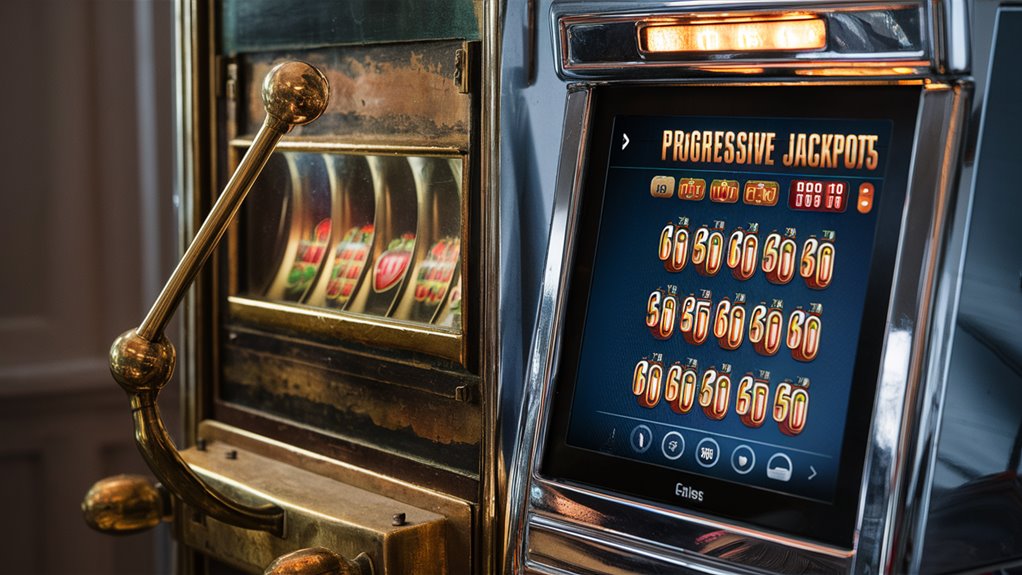
Progressive jackpots hit the web in 1996, changing from old casinos to digital ones. InterCasino led this change by starting the first online progressive slot, making a linked prize pool that joined players all over through top TCP/IP setups and safe coded pay systems.
Web Ties and Growth
By 1998, the scene saw big steps as top software makers like Microgaming changed the view by starting multi-spot progressive networks. These smart setups linked many online casinos, making central jackpots starting at $1 million. The tech base used edge real-time database sync and auto pay check systems, past old casino skills.
Tech on the Move and Now
The 2000s marked a big change in online progressive play through mobile tech joining. HTML5 growth and responsive design let cross-tool ties, keeping smooth jackpot links over many devices. Today’s progressive setups use load-balanced servers and blockchain checks to handle millions of players at once. These strong systems handle over 10,000 deals per second with eight-spot number exactness, ending in record wins like the $39.7 million jackpot of 2015.
Mobile Slots Lead
Mobile Slots Take Off
The iPhone Change and Early Mobile Play
The mobile slots move started in 2007 with Apple’s iPhone, changing hand-held play for good. Software makers quickly switched casino game tech for touch screens, making swipe-and-tap moves that made digital slot play more deep than ever.
Tech Steps and Cross-Tool Play
HTML5 tech came out as a key change in 2010, moving past Flash and allowing smooth cross-tool ties. This tech jump let mobile slot games work well across iPhones, Android tools, and desktop web views. Between 2012 and 2015, big jumps in mobile processors and web speed led to better image quality and game work.
Now in Mobile Slots
Today’s mobile slot games show off top features like 3D moves, added real bits, and social play parts. Cloud sync tech lets non-stop play over many tools, while smart mobile game setups give console-like experiences. Stats show that mobile slots now make over 70% of online casino cash, pushing big software makers to go mobile-first in their game making. This key change has changed slot game design and player pulling across the digital game scene. Glassrift Slots: Splitting Transparent Scenes Into Echoing Bonus Revelations
Real Life in Slots
Real Life Meets Slots: The Next Play Wave
Real life tech changed the slot game view in 2016 when game leader Microgaming showed their top VR roulette make at the top ICE Totally Gaming expo. This key moment started a tech race among top game makers, with NetEnt and IGT quickly making their own real life casino experiences. The joining of real life tech into slot gaming gives a top deep level, letting players step into well-made virtual casinos with 3D images, space sound, and smart gesture moves. These real life slot settings mix old slot fun with top real life features, making a new kind of casino fun. Big makers now focus on making real life-ready slot names that use advanced image engines and touch feedback systems. The end experiences offer very clear visuals, real casino feels, and smooth player moves that were not possible in old online slot play.