How to Bluff Like a Poker Pro
Learning Basic Pro Poker Bluffing
Building a tight-aggressive base is key for high-level poker bluffing. Keeping same-sized bets and understanding how opponents play positions you to bluff effectively. Aim to bluff about 30% of the time, adjusting based on your position and the game’s flow. 신뢰할 수 있는 리뷰 보기
Bluffing by Your Seat
Sitting in a late seat offers great bluffing opportunities, as you have more information and positional advantage. Bluffs from an early seat require more caution and timing, choosing moments when the board and opponent’s likely hands align well.
Body Signs and How You Seem
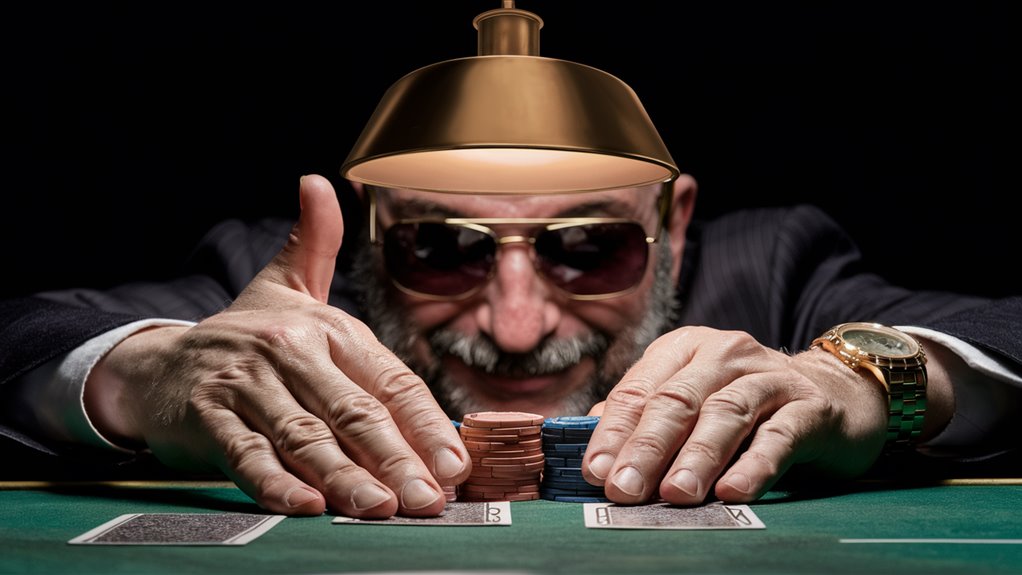
Controlling your body signs is essential for successful bluffing. Manage your breathing, maintain a steady presence, and time your actions precisely. A well-crafted image at the table aids in executing larger bluffs, such as triple barreling or stop-and-go moves to mislead opponents.
When to Perfect Your Bluff
Getting Good at Bluff Timing
Basic Timing Tips
Effective bluffing relies on perfect timing and observing crucial cues. Evaluate bets, player behavior, and board textures carefully. Bluff best when opponents lack strong hands and exhibit weakness.
Your Spot and Trust
Your position is crucial for bluffing. Establishing strength early sets the stage for future bluffs. Your story must align with the board cards and your play style. Bluffing one player is more effective than multiple opponents.
Deeper Timing Thoughts
Successful bluffing involves considering several factors:
- Your positional advantage
- Opponent’s tendency to fold
- Board textures supporting your narrative
- Sufficient chips for applying pressure
- Consistent bet sizing
Strong bluffs occur when these align with a credible story, like missed draws or strong hands. Your chip stack relative to the pot size should support your bluffs throughout the game.
Setting Up Great Bluff Chances
Playing both strong and weak hands strategically aids in setting up future bluffs. Your table image and previous actions significantly impact bluff success. Ideal timing arises when you have positional strength, favorable board conditions, and opponents appear likely to fold.
Seeing Foe’s Tells
Understanding Poker Tells
Basics of Poker Player Tells
Analyzing tells involves recognizing involuntary actions and interpreting them. Success stems from understanding an opponent’s typical behaviors rather than isolated actions. Observe inconsistencies like hand tremors or eye movements to avoid misinterpretation.
Main Types of Poker Tells
Timing Tells
The speed of actions and pattern choices reveal information about hand strength. Note divergences from normal timing to detect significant shifts.
Physical Tells
Monitor body language, such as:
- Posture adjustments
- Hand motions
- Facial expressions
- Breathing pattern
Betting Tells
Assess changes in bet sizes and patterns. Watch for:
- Uncharacteristic bet amounts
- Irregular betting timing
- Inconsistent betting style
Types of Players
Average players often exhibit noticeable tells, like:
- Chip handling pre-decision
- Post-bet posture indicating hand strength
- Verbal cues reflecting confidence level
Professional players might use deceptive tells to mislead opponents. Consistently compare observed behaviors with prior actions and typical betting patterns for accurate evaluations.
Making a Solid Image
Building Strong Play Looks in Poker
Getting Early Trust
Employing tight-aggressive play early cultivates a robust image. Select premium hands and bet decisively to project competence. This establishes a foundation where opponents are more likely to fold under your aggression later.
Keeping Bets Consistent
Uniform bet sizing aids in deceit, regardless of hand quality:
- Regularly use 75% pot-sized bets
- Incorporate tactical small bets
- Maintain consistent betting patterns across strong and weak hands
Owning Your Space at the Table
Body language and communication shape your table perception. Stay composed and stable irrespective of your hand by:
- Providing concise and calm responses
- Limiting excessive talking
- Displaying confidence without arrogance
This strategic demeanor builds a reliable image, enhancing bluff effectiveness and increasing your win potential. When perceived as a careful player, your bets exert more pressure and provoke folds more frequently.
Your Seat and Betting
Using Your Poker Seat and Bets Well
Using Your Table Seat
Your table position is a significant poker advantage, especially with strategic betting. Late seat players benefit by observing prior actions, facilitating effective bluffs when early seat players seem vulnerable.
Spotting Bet Patterns
Your betting strategy underpins your poker approach. Starting as a disciplined player enables astute bets on missed flops, particularly as the initial raiser. Consistent bet sizes obscure whether you’re holding a strong or weak hand.
Bluffing from Good Seats
Button and cut-off seats provide optimal bluffing opportunities due to superior pot control and potential blind steals. These positions offer more information with reduced risk. In contrast, early seats necessitate cautious bluff planning due to acting first with limited opponent insights.
Deeper Seat Thoughts
Familiarity with your seat enhances winning prospects through:
- Clever blind steals
- Pot size management
- Informed decision-making
- Assessing opponent hand possibilities
Setting Your Bluff Plan
Getting Good at Planned Bluffing
Making a Bluff System
Structured bluffing requires thorough planning and deliberate decisions at strategic intervals. A varied approach creates uncertainty, maximizing value through calculated risks.
Spotting Best Bluff Times
Evaluating board textures forms the basis for sound bluffs. Target scenarios where strong hands fit your range, and bluff in similar contexts with weaker holdings. Optimal bluffing opportunities arise on:
- Straight-possible boards
- Flush-conceivable cards
- Multi-way pots
- Boards you can convincingly represent strong hands
Matching Timing and Bet Size
Managing tells effectively prevents opponents from exploiting them. Maintain consistent timing and bet sizes between genuine and bluff actions. Align bluff amounts with genuine bets on similar boards.
Watching Bluff Amounts and Results
Bluffing around 30% at strategic moments complicates opponent reads and avoids over-bluffing. Scrutinizing your gameplay facilitates fine-tuning your approach and sustains long-term success. Prioritize strategic choices over winning every pot. How to Spot a Rigged Casino Game
Deep Bluff Ideas
- Planning by hand range
- Adjustments based on your seat
- Considering your chip stack
- Customization for each opponent
- Crafting a multi-round strategy