Good Rock Ballads to Start With
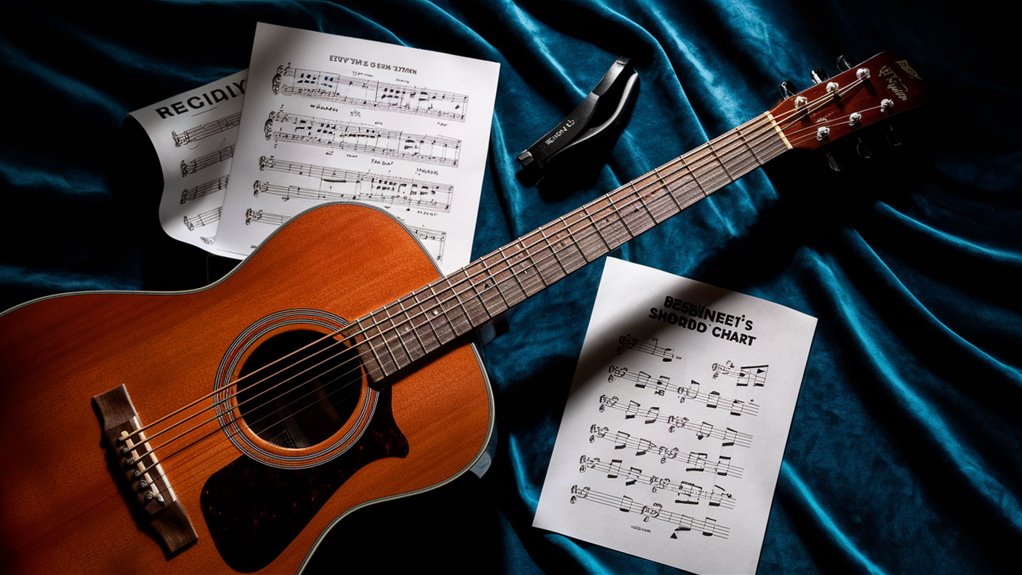
For new guitar and song folks, old rock ballads are great to start with. They are famous tunes but not too hard to play or sing. Try “Wish You Were Here” by Pink Floyd or “Let It Be” by The Beatles. These ballads use easy chords and simple strumming – perfect for starters. 베트남 나이트라이프 필수 정보
Rock Ballads for Beginners
“Good Riddance (Time of Your Life)” by Green Day and “The Scientist” by Coldplay are good, too. They also use a simple 4-chord loop and have a steady feel. Playing these helps you get used to switching chords smoothly.
More Tough Rock Ballads
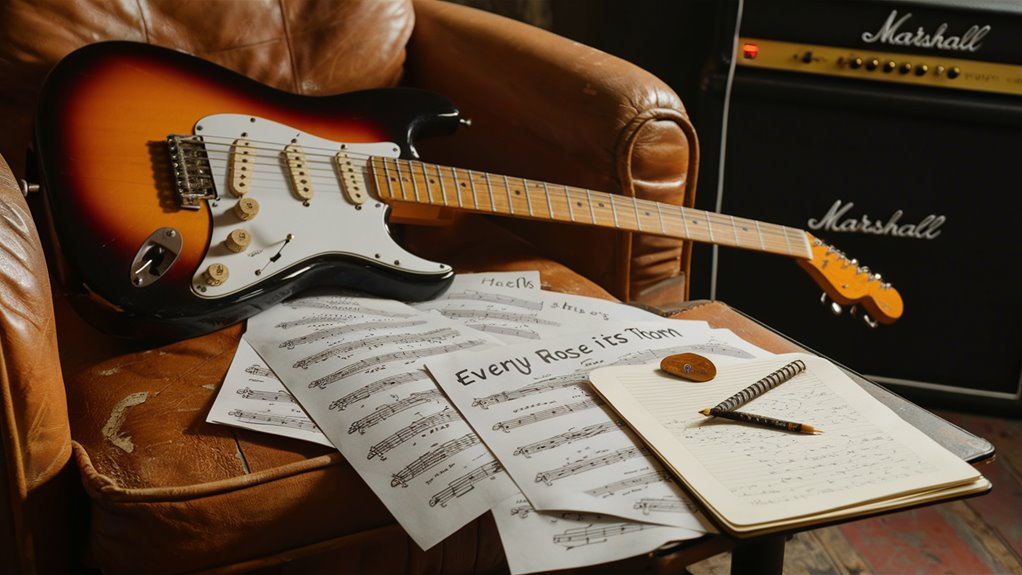
Once you know the basic stuff, try harder power ballads like “Every Rose Has Its Thorn” by Poison or “Heaven” by Bryan Adams. These tunes have a bit more going on with chords and melody but still keep the easy beat. These songs help you grow in music and performing.
Needed Tools and Setup
Needed Stuff for Rock Ballads
Basic Guitar Tools
An electric guitar with two strong pickups is key to get that deep, moving rock sound.
A little amp with echo and boost helps shape your sound right. With Confidence
Good tools really make a difference in getting that classic sound you want.
Recording and Practice Setup
A computer audio tool and pro music-making software makes a great setup at home.
This set lets you record your play and work with backing tracks.
Needed extras include:
- A good tuner
- A solid guitar stand
- Extra strings
- Ways to hold cords neat
Voice and Guitar Effects
A top Shure SM58 mic is best for singing while playing guitar.
A special effects box with echo and swirl sound adds depth to your guitar play.
Set up your space well so you have room to play and record. The Best Karaoke Songs
Pro Practice Area
Have a special area to practice with good sound setup and clean cable paths.
Keep your tools easy to reach but set so they don’t mess with each other.
This setup lets you keep your sound clear and helps you focus on getting better.
Basic Rock Ballad Chords
Basic Chord Moves for Rock Ballads
Key Chord Loops
The I-V-vi-IV loop is big in rock ballads, used in huge hits like “With or Without You” by U2.
This loop hits hard on the feels, mixing pull and calm well. How to Keep the Energy
Sad and Dark Changes
The i-VI-III-VII minor loop goes deeper, perfect for sadder, big tunes like Metallica’s “Nothing Else Matters”. This dark set works well for songs with heavy feels.
The I-IV-V loop is great for straight-up strong ballads, like Poison’s “Every Rose Has Its Thorn”.
Deep Emotional Sets
For big drama, the vi-IV-I-V loop starts tight and builds up, shown in “All By Myself” by Eric Carmen.
The I-vi-IV-V loop, used in the endless “Earth Angel”, sets up a lot of classic ballads.
These key chord sets start deep links with the crowd and lay a strong base for killer ballads.
Piano Left Hand for New Players
Key Piano Left Hand Moves for Newbies
Piano Basic Left Patterns
Getting the left hand down is key for good piano playing.
Three core patterns – broken chords, rolling bass, and the waltz beat – are the base for most rock ballads and classical tunes.
Breaking Down Basic Moves
Broken Chord Move
Working on broken chords builds key hand skills.
Hit each chord part one by one while keeping the beat even. This base move boosts how well your hands work together and how smoothly you can change chords.
Rolling Bass Move
The rolling bass move starts with the root note then hits the chord notes in order.
This move is a big part of known ballads like “November Rain” and “Beth”. Rolling bass work makes your left hand strong and smooth in changing chords.
Getting the Waltz Beat Right
The waltz beat is must-have for slow tunes, starting with a bass note then two chord hits.
Start slow at 60 beats a minute, building speed as you get better. Keep your wrist easy and your fingers right for the best play form.
Work on keeping the sound even from your thumb bass notes and the rest of the chord to get a true ballad backing.
Pro Moves for Riding the Keys
- Keep your fingers arched and wrist easy
- Keep the sound even across all chord parts
- Start slow, then build speed
- Focus on smooth changes between moves
- Work with a beat keeper to keep your rhythm steady