The Simple Rules of Roulette
Knowing the Basics of Roulette Science and How It Works
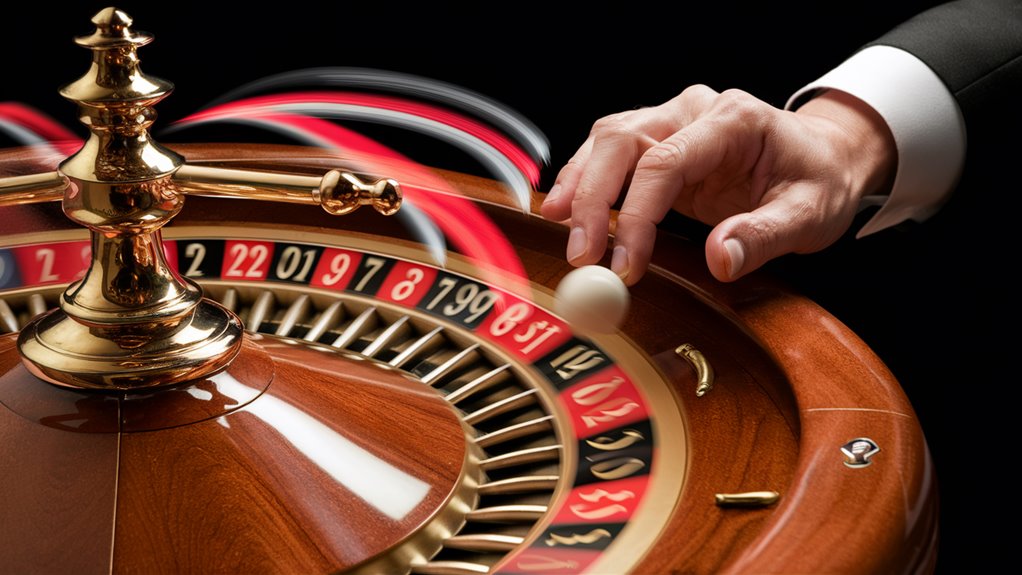
Roulette basics move through a mix of natural pushes and pulls. The game’s main moves are based on spin speed, weight spread, and pull to the center which decide where the ball goes. These basic parts set the stage for seeing how roulette can have patterns you can guess. 온카스터디 인증리스트 추천
Using Math to Guess and Study
Math-based guesses are key to figuring out roulette plays. By watching how often numbers come up and seeing patterns over time, players can get a big clue on how the numbers show up on the wheel. Big math ideas help dig out patterns from what looks like random plays.
Studying Dealer Styles
Dealer styles show us unique ways dealers spin the wheel. What to watch:
- Same start points
- How fast they spin
- Where the ball goes
- When they spin
Mixing Science and Math
Real skill in roulette comes from mixing how things move with chance math. This blend turns what looks like random outcomes into patterns we can spot. Knowing the way the wheel moves and the math counts builds a full plan for skilled play. Scattered Stride Bets: Breaking Down
Next Level Guesses on Where the Ball Lands
Guesses about ball paths think about:
- Wheel speed
- How rough surfaces are
- Wind push
- Bump changes
These parts work together to make paths of movement that sharp players can spot and use.
Deep Dive into How Wheel Turns Work: A Clear Guide
Getting into Spin Science
Spin force and turn science control every wheel move in machine setups.
The first spin kicks off a complex push and pull between the wheel’s weight spread, spin speed, and surface rub.
The wheel’s weight feel, a key point set by weight spread and size, directly shapes turn balance and force hold.
Ball Path and Pushes
The track of a turning ball follows paths you can guess pushed by center pull.
In its turn, the ball faces two pushes: the wheel’s spin speed and pull down.
The drop starts as spin slows, with mechanical stoppers adding known chance into the ball’s final path.
Design Points
Wheel build blends exact parts for best action.
The right slant angle (5-7 degrees), wise hit stoppers, and smart pocket walls make a play of known chance.
The final spot comes from a mix of first speed, turn moves, air push, and stopping blocks in the slow-down time.
Key Points in Physics
- Turn Weight Feel: Weight spread effect on spinning moves
- Spin Holding: Force keep in wheel turns
- Surface Rub: Changes how slows happen
- Touch Points: Between ball and wheel bits
These elements bring together a deep machine setup based on basic push and pull rules.
The Math of Numbers in Roulette: Chance Math and How Numbers Line Up
Basic Chance Math in Roulette
Chance math and key math ideas build the complex number play in roulette. The game’s risks and lines follow exact math rules that fix every possible play.
Just One Number Chances
In European roulette, the chance to win on just one number is 1/37 (2.7%), while American roulette has 1/38 (2.6%) because it has an extra double zero spot.
Combo bets lift winning odds in step—a two-number bet in European style goes to 5.4%.
Stand-alone Numbers and Random Mix
Number lines in roulette show perfect lone-standing stats, meaning each spin acts alone, not tied to past plays.
The better’s mistake – the wrong thought that past turns change future spins – goes against this top rule of same chance always.
Long look shows number mixes line up with what math guesses say over a lot of plays.
House Win and Math Plus
Math deep-dives clearly show you can’t beat the built-in house win: 2.7% in European roulette and 5.26% in American roulette.
The wheel’s sharp geometric build makes sure chance math keeps the house’s math win across many plays.
Deep Math Work
The wheel’s making brings a perfect chance mix where each number has the same math weight. This build, plus the big number law, promises that seen number rates will match math guesses over enough plays.
Getting How Dealer Styles Work in Roulette
What’s Dealer Style Study?
Dealer style study is an expert way to get roulette patterns by looking at the physical moves and steady ways dealers spin.